

[the voice behind the work]
Designed to See What Others Miss.
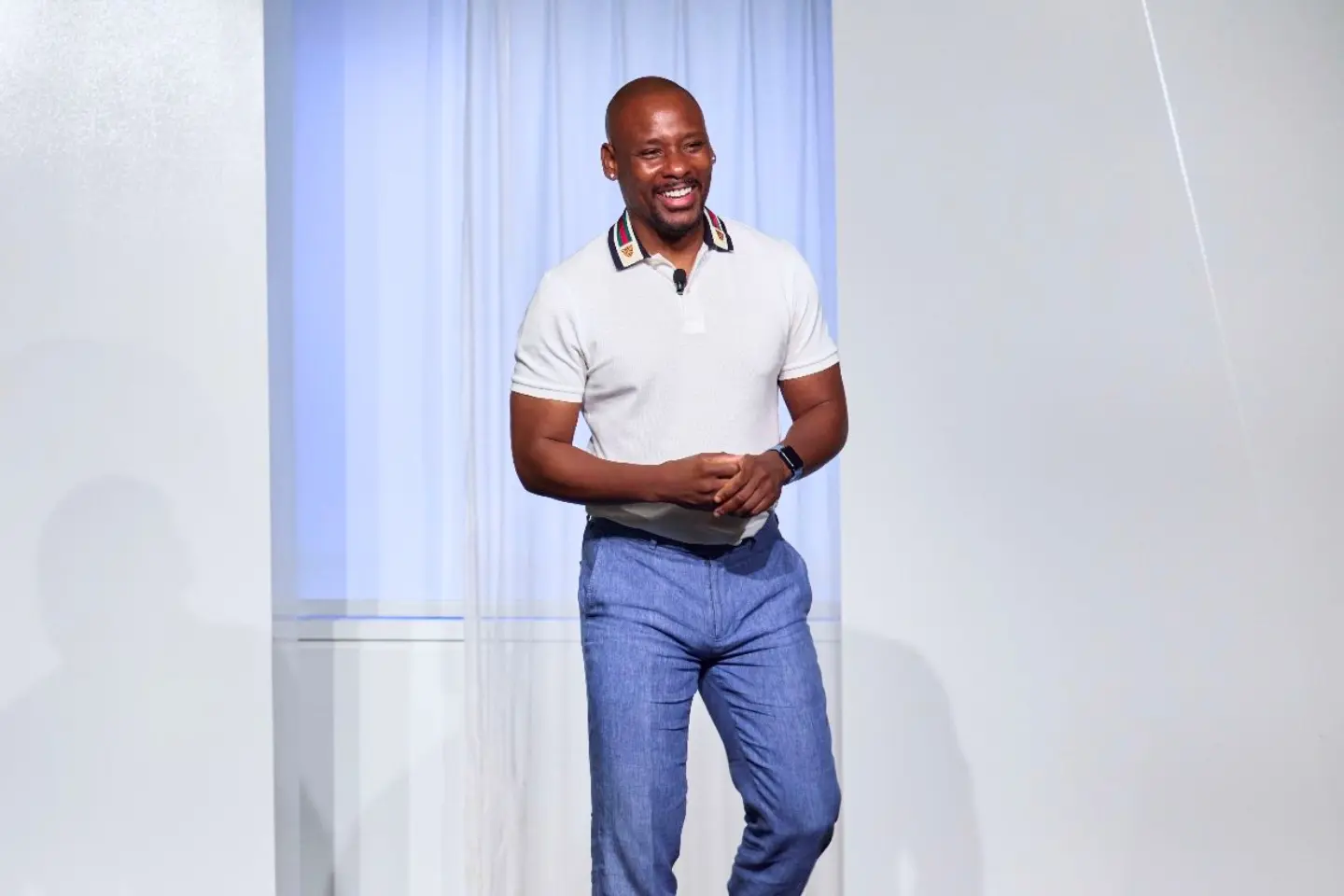
Steffon Isaac designs what PowerPoints can't: moments that move people. As founder of The CLU Studio, he builds games, workshops, and experiences that help teams uncover the dynamics shaping trust, culture, and connection. His approach is rooted in story, shaped by lived experience, and driven by one belief: real culture change starts with the conversations organizations have been avoiding. Originally from the Caribbean, Steffon was raised in Brooklyn and spent nearly two decades working across education and advertising before founding The CLU Studio. He lives in Brooklyn with his 2 young sons — his daily reminder that curiosity and play are serious tools for growth.
Like every human being, I was born into circumstances outside of my control. For me, that included being the son of a Grenadian mother who immigrated to the US as a young parent. She raised my sisters and me in the public housing projects of Brooklyn during a time when New York City was rife with discrimination for people of color in every aspect of life. Despite those constraints, I managed to pave a way forward. But my status as an "other" — Black, immigrant, and poor — meant contending with a system designed with perpetual obstacle courses. Those hurdles still exist today.
Though a native English speaker, I immigrated to the US at six and spoke with a slight accent. I looked different. I sounded different. I lived in one of the toughest neighborhoods in Brooklyn. But I also spent summers with my grandfather in Hamilton, Ontario — a masterful storyteller who showed me I could craft my own story beyond imposed limitations. I was bussed to a predominantly white, affluent school where I accessed resources my neighborhood couldn't offer. The contrast was striking then. Its existence today is still glaring. Those disparities gave me something though: a deep understanding of what shapes identity. A keen sense of the intersectional factors that contribute to inequity and exclusion. And the experience, eagerness, and enthusiasm to work toward solutions that address them. My upbringing has been formative. It's also given shape to the underlying purpose of The CLU Studio — to surface the role of identity and what it means for how we see each other at work. I offer a unique perspective as someone who's had to overcome and continually face the gravity of society's exclusionary forces.
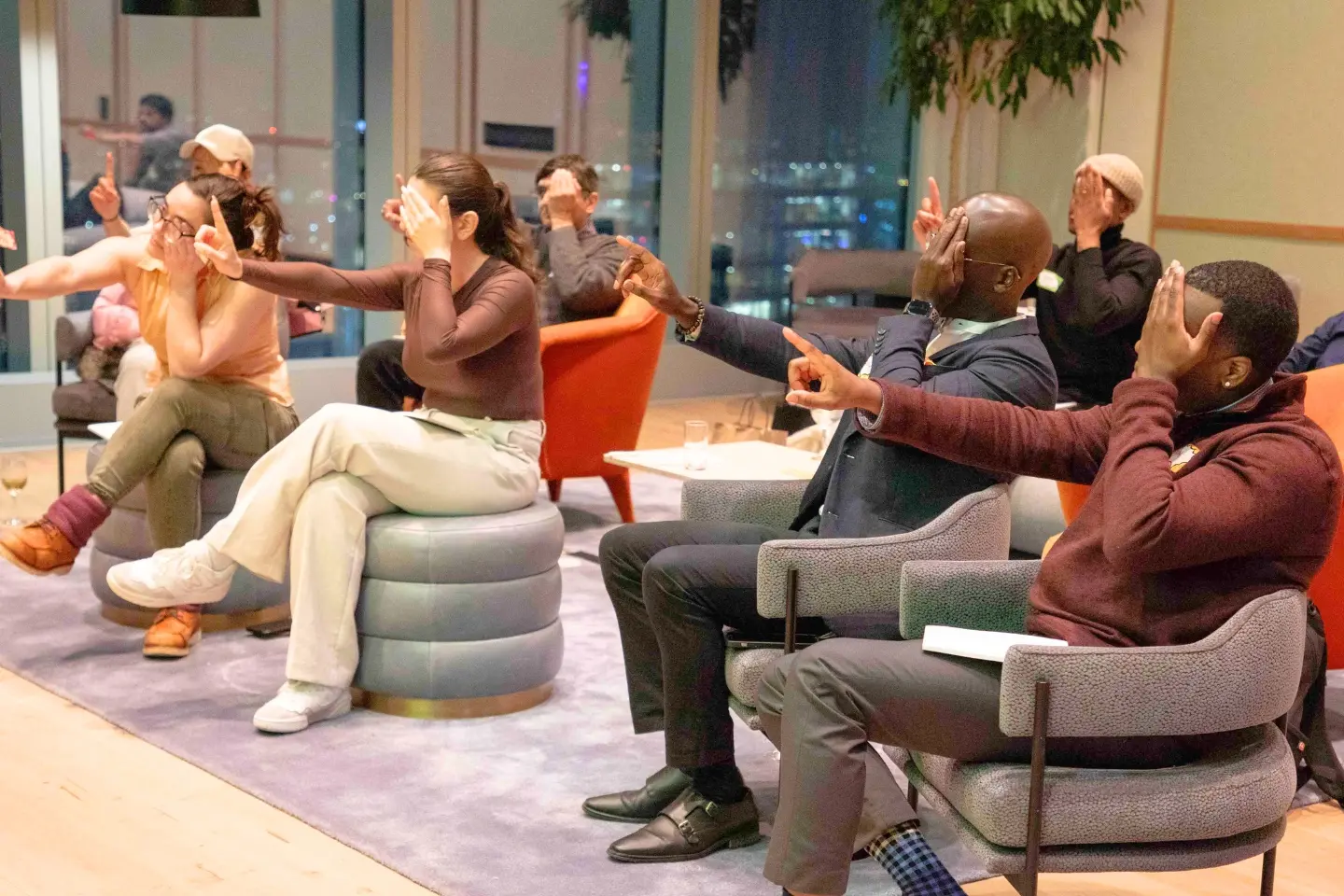
My lived experience has given me a deeper understanding of what it means to be an insider while being perceived as an outsider in the workplace. My aim is to help individuals and institutions better appreciate the role that identity plays in both the perception and reality of social inequality. The way we do that at The CLU Studio is through experience — because it fosters a free and safe space to explore complex dynamics without fear of judgment. Together, we can create workplaces that deepen understanding and do more than check boxes — because real representation makes a difference for everyone.
Like every human being, I was born into circumstances outside of my control. For me, that included being the son of a Grenadian mother who immigrated to the US as a young parent. She raised my sisters and me in the public housing projects of Brooklyn during a time when New York City was rife with discrimination for people of color in every aspect of life. Despite those constraints, I managed to pave a way forward. But my status as an "other" — Black, immigrant, and poor — meant contending with a system designed with perpetual obstacle courses. Those hurdles still exist today.
Though a native English speaker, I immigrated to the US at six and spoke with a slight accent. I looked different. I sounded different. I lived in one of the toughest neighborhoods in Brooklyn. But I also spent summers with my grandfather in Hamilton, Ontario — a masterful storyteller who showed me I could craft my own story beyond imposed limitations. I was bussed to a predominantly white, affluent school where I accessed resources my neighborhood couldn't offer. The contrast was striking then. Its existence today is still glaring. Those disparities gave me something though: a deep understanding of what shapes identity. A keen sense of the intersectional factors that contribute to inequity and exclusion. And the experience, eagerness, and enthusiasm to work toward solutions that address them. My upbringing has been formative. It's also given shape to the underlying purpose of The CLU Studio — to surface the role of identity and what it means for how we see each other at work. I offer a unique perspective as someone who's had to overcome and continually face the gravity of society's exclusionary forces.
My lived experience has given me a deeper understanding of what it means to be an insider while being perceived as an outsider in the workplace. My aim is to help individuals and institutions better appreciate the role that identity plays in both the perception and reality of social inequality. The way we do that at The CLU Studio is through experience — because it fosters a free and safe space to explore complex dynamics without fear of judgment. Together, we can create workplaces that deepen understanding and do more than check boxes — because real representation makes a difference for everyone.
.webp)